
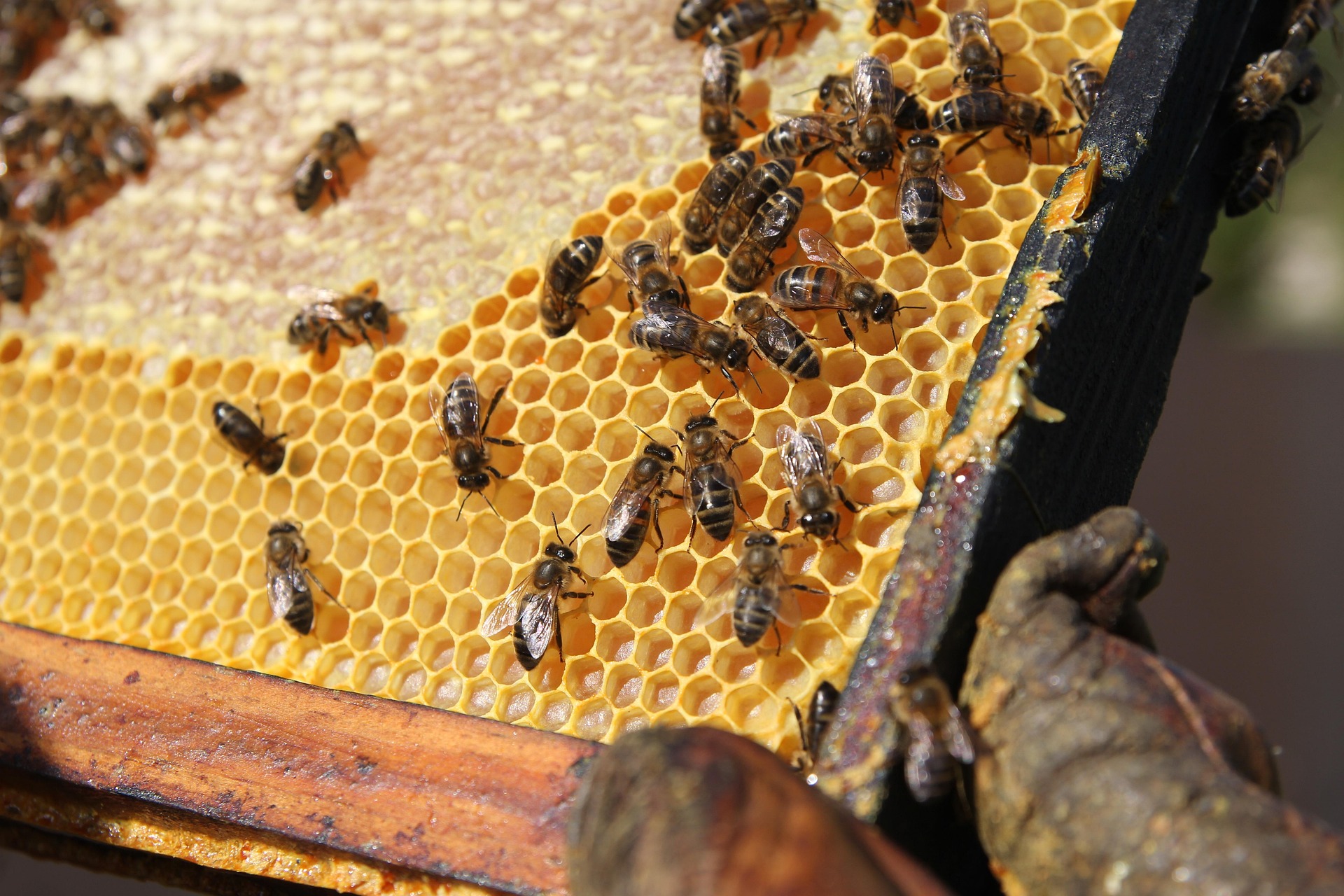
Welcome to our comprehensive guide on Starting Your Own Hive: Equipment and Techniques for prepping, homesteading, and survival. This guide aims to provide you with valuable insights into creating a functional beehive and maintaining it effectively.
Equipment Required
- Beehive: The foundation of your hive. Most commonly, Langstroth hives are used due to their modular design and ease of use. They can accommodate multiple boxes for honey production.
- Bee Boxes: Each box provides space for approximately 10 frames where bees build combs. The number of boxes required depends on your location, hive management goals, and the size of your colony.
- Frames: These are the internal components of a beehive where bees construct their wax comb. Each frame holds approximately 6-10 pounds of honey when filled to capacity.
- Wax Foundation: Wax foundation provides a starting point for bees to build comb. It is available in various shapes like deep, shallow, or medium. You can either purchase pre-drawn foundation or draw your own.
- Protective Clothing: Protective gear ensures your safety while handling bees. Essential items include a bee suit, veil, gloves, and boots.
- Smoker: A smoker is used to calm bees during inspections by producing smoke that masks the scent of predators and alarms pheromones.
- Hive Tool: A hive tool is an essential multi-purpose tool for handling frames, removing honey supers, scraping off wax, and prying apart stuck parts of the hive.
- Feeder: A feeder provides supplemental nourishment to bees during times of scarcity. Some common types are top-entrance feeders, hive-top feeders, and frame feeders.
- Uncapping Knife: An uncapping knife is used to remove the thin layer of wax capping each honey cell during extraction.
- Extractor: An extractor spins honey from the frames and separates it from the wax. Extractors come in various sizes, from small tabletop models to large commercial units.
Techniques for Hive Management
- Inspection: Regularly inspect your hive to monitor the health of your colony and address any issues promptly. Perform inspections during cooler hours or when bees are less active.
- Swarm Prevention: Swarms occur when a colony becomes overcrowded and splits off with a new queen. Swarm prevention includes providing adequate space, managing hive entrances, and removing Queen cells.
- Pest Management: Common pests include Varroa mites, small hive beetles, and wax moths. Regular inspections help in early detection and treatment of these issues.
- Honey Harvesting: Ensure your bees have enough honey for winter before you harvest any excess. Honey extraction should be performed carefully to avoid harming the colony or cross-contaminating honey flavors.
Starting your own hive can be a rewarding experience that offers benefits like fresh honey, pollination services for your garden, and even a small source of income. We hope this guide has provided you with valuable insights to start and manage your own successful apiary.