
In today’s world, securing one’s home is more crucial than ever before. A well-planned and layered home security system can provide peace of mind and significantly reduce the risk of burglary or intrusion in your home. By incorporating a combination of physical barriers, electronic deterrents, and emergency response measures, you can create an effective defense against potential threats. This article aims to provide you with essential insights and strategies for fortifying your living space against potential threats.
Understanding Layered Home Security
Layered home security refers to a multi-dimensional approach that combines various methods, devices, and practices to protect your property. Each layer acts as a deterrent or response mechanism to prevent unauthorized entry.
Perimeter Security
The first line of defense is perimeter security. This involves securing the area surrounding your home to discourage intruders from even approaching your property. Fences, walls, and hedges can provide a physical barrier, while motion-detected lights can illuminate any suspicious activity.
Access Control
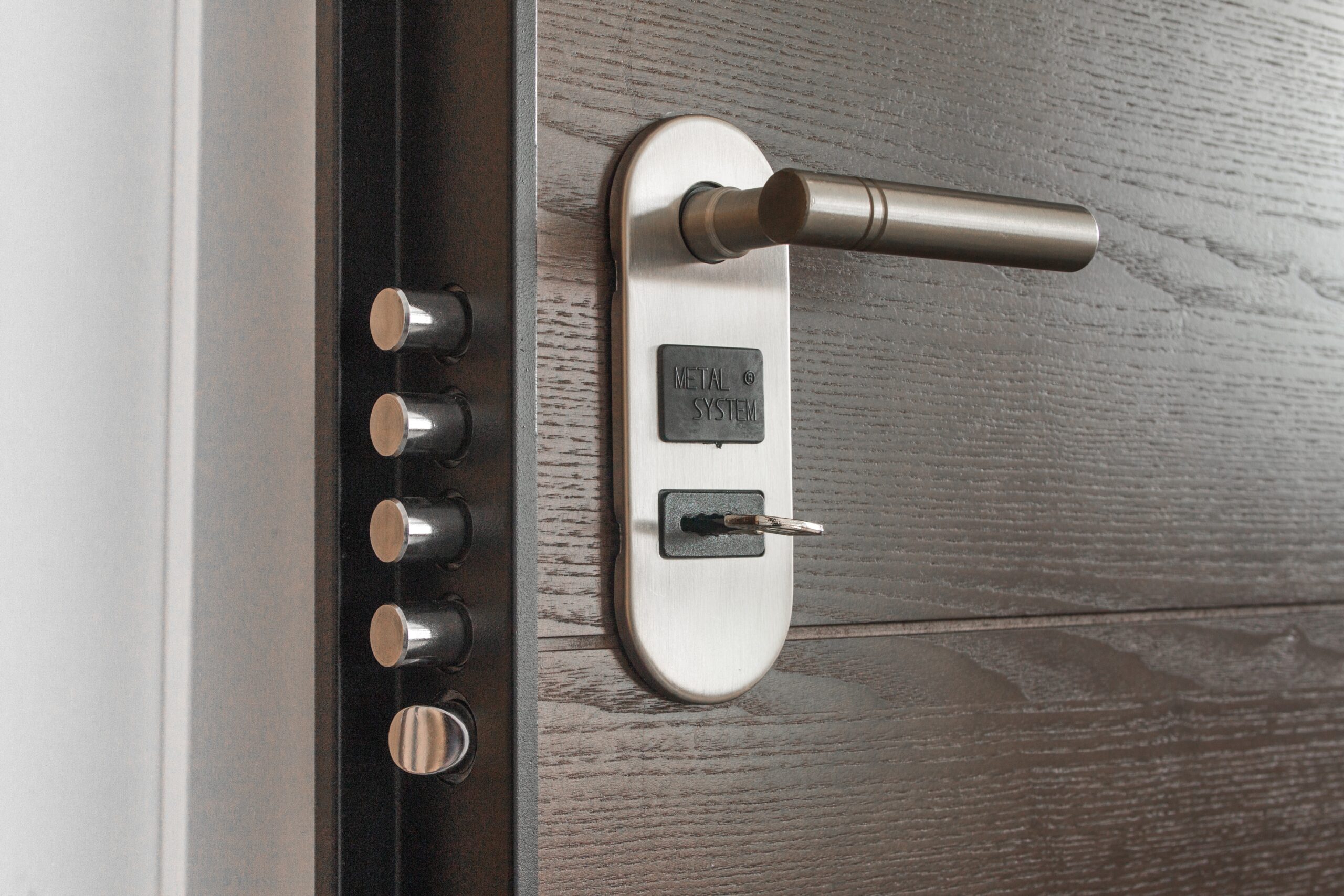
Controlling access points is essential for maintaining the security of your home. Install strong, solid doors with deadbolts, and secure windows using locking mechanisms. Consider adding a peephole or security camera to monitor who’s at the door before opening it.
Alarm Systems
Modern alarm systems can be customized to suit your specific needs. They can include door and window sensors, motion detectors, glass break sensors, and even environmental alarms for smoke, carbon monoxide, and floods. When an intrusion or emergency is detected, these systems alert you and the authorities.
Surveillance
CCTV cameras are a powerful deterrent against potential burglars. Strategically place cameras around your property to cover blind spots and entry points. Remote access allows you to monitor your home from anywhere, providing peace of mind.
Home Hardening
Home hardening involves making structural changes to your house to withstand forced entry. This includes reinforcing doors, installing security film on windows, and upgrading locks and deadbolts. These measures can significantly slow down an intruder, giving you time to react.
Emergency Preparedness
Part of a layered home security plan is being prepared for emergencies. This includes having a well-stocked emergency kit with food, water, first aid supplies, and a reliable source of communication. A designated safe room can provide refuge during extreme weather events or intrusions.
Training and Practice
Regularly train family members on emergency response procedures, including evacuation plans and using security equipment. Regular practice will ensure everyone knows what to do in an emergency situation, helping to maintain order and minimize panic.
Remember, a layered home security plan is not about creating an impenetrable fortress but rather making your home less attractive to potential intruders. By combining various strategies, you can significantly reduce the risk of burglaries and increase the safety of your loved ones.
Conclusion
A layered home security plan is an effective way to protect your property and family. From securing the perimeter to having emergency supplies on hand, each layer acts as a crucial deterrent or response mechanism. By investing in your home’s security, you can rest easy knowing you’ve done everything possible to keep your loved ones safe.
Stay informed, stay prepared, and most importantly, stay safe.