
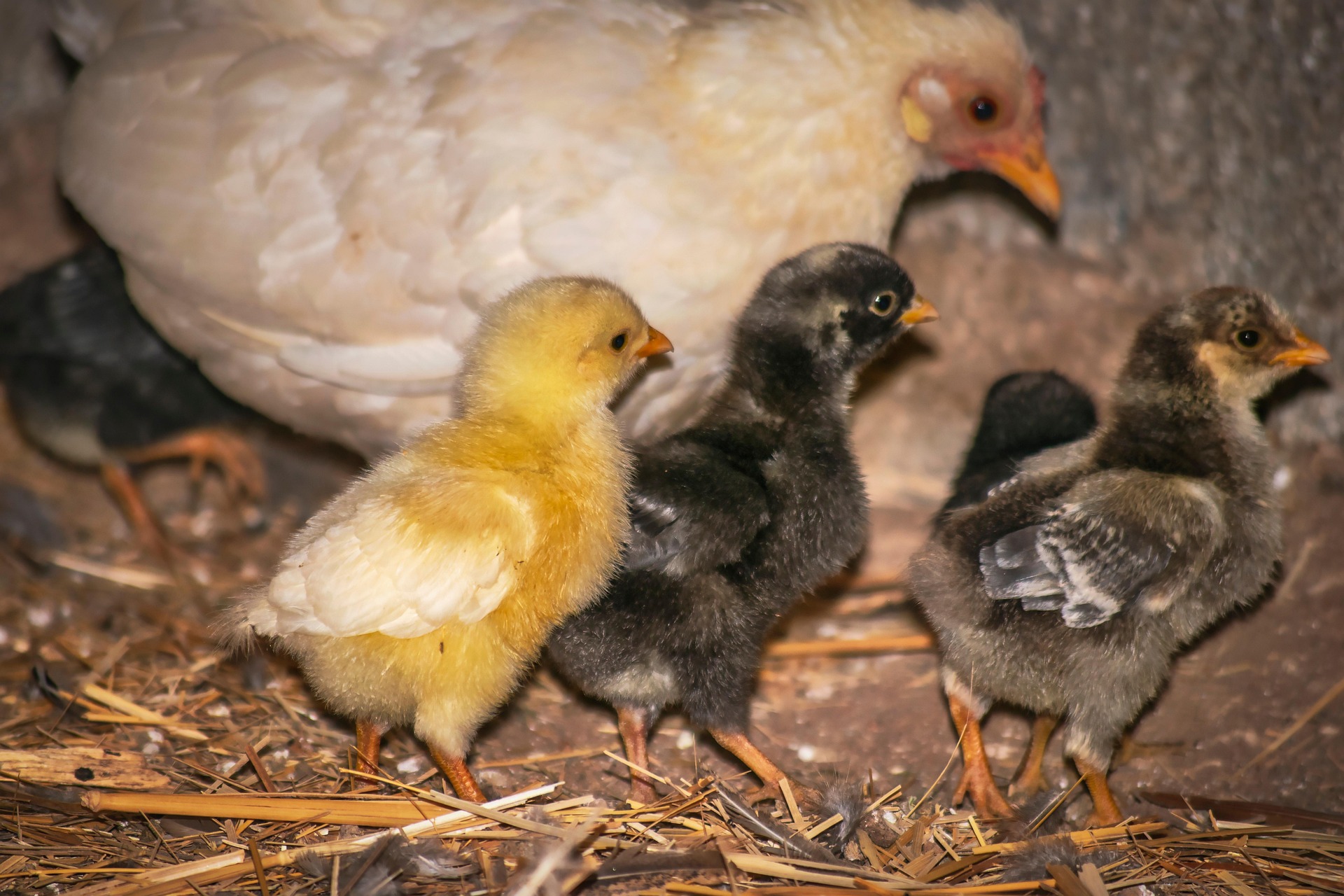
Integrating chickens into your homestead or preparedness plan can provide numerous benefits, from fresh eggs to composting waste. A well-designed coop plays a crucial role in ensuring the health, safety, and comfort of your flock. This article will discuss essential considerations for coop design and maintenance when caring for chickens in the context of homesteading and prepping, helping you create an optimal living environment for your feathered friends.
Understanding the Basics
Coop Size: A good starting point is to allocate 4 square feet of floor space per bird. For optimal results, provide more space (up to 10 square feet per bird). Remember, larger coops promote better health and egg production.
Coop Structure: Design a coop with nesting boxes, roosts, ventilation, and a secure entrance. Make sure the coop is raised off the ground to protect against predators. Consider adding a run or pen for additional space and protection.
Designing Your Chicken Coop
Choosing the right coop design is crucial for creating an optimal living environment for your chickens, whether you’re homesteading, prepping, or simply raising a small flock for fresh eggs and companionship. By considering various coop designs like traditional coops, modular coops, and mobile chicken tractors, you can tailor your setup to your specific needs and preferences while ensuring the health, safety, and comfort of your chickens.
Flooring: Choose durable, easy-to-clean materials like concrete, plywood, or grass. Avoid materials that retain moisture, as they can lead to health issues.
Nesting Boxes: Aim for 1 nesting box per 4 hens. The boxes should be at least 12 inches deep, with a sloped floor to facilitate easy egg collection. Place the boxes off the ground to keep eggs clean.
Roosts: Provide roosting bars at least 18 inches above the floor for hens to perch on at night. Ensure there is enough space for all chickens (about 8-10 inches per bird).
Ventilation: Proper ventilation is crucial for chicken health and comfort. Include vents or louvers in the coop walls and roof to allow fresh air circulation.
Traditional Coop Design
A traditional chicken coop typically consists of a main structure with roosting bars, nesting boxes, and outdoor run space. Here are the steps to build a
traditional coop:
- Choose a suitable location for your coop, considering factors like proximity to water sources, sunlight exposure, and wind protection.
- Design your coop’s dimensions based on the number of chickens you plan to house and the available space. A minimum of 4 square feet per bird for indoor
roosting areas and 8-10 square feet per bird for outdoor run space is recommended. - Frame the walls, floor, and roof using wood or metal framing materials. Ensure that the walls are at least 2-3 feet tall to provide adequate protection
against predators. - Install hardware cloth or galvanized wire mesh on the walls, floors, and doors for added security against predators.
- Create a door that can be easily accessed for daily chores, but is secure enough to prevent unwanted visitors.
- Build roosting bars evenly spaced throughout the coop, at a height of approximately 18 inches off the ground.
- Construct nesting boxes in a quiet and secluded area, with one box per 3-4 hens. Ensure that the boxes are easily accessible for egg collection.
- Lay down absorbent bedding materials like straw, hay, or wood shavings on the floor of the coop and outdoor run space.
- Install a watering system and feeder to provide fresh water and feed to your flock. Consider using gravity-fed waterers or automatic feeders to minimize
daily chores. - Ventilate the coop by installing windows, vents, or other openings to allow fresh air circulation.
- Secure the roof with shingles, corrugated metal sheets, or other materials to protect your chickens from inclement weather.
Modular Coop Design
A modular coop is a versatile and expandable design that allows for easy additions as your flock grows. Here are the steps to build a modular coop:
- Choose a suitable location for your modular coop, considering factors like proximity to water sources, sunlight exposure, and wind protection.
- Design a basic module, such as a 4×8-foot structure, that can be easily duplicated for additional space as needed. This module should include roosting
bars, nesting boxes, and outdoor run space. - Frame the walls, floor, and roof of each module using wood or metal framing materials. Ensure that the walls are at least 2-3 feet tall to provide
adequate protection against predators. - Install hardware cloth or galvanized wire mesh on the walls, floors, and doors for added security against predators.
- Create a door that can be easily accessed for daily chores, but is secure enough to prevent unwanted visitors.
- Build roosting bars evenly spaced throughout each module, at a height of approximately 18 inches off the ground.
- Construct nesting boxes in a quiet and secluded area within each module, with one box per 3-4 hens. Ensure that the boxes are easily accessible for egg
collection. - Lay down absorbent bedding materials like straw, hay, or wood shavings on the floor of each module and outdoor run space.
- Install a watering system and feeder to provide fresh water and feed to your flock within each module. Consider using gravity-fed waterers or automatic
feeders to minimize daily chores. - Ventilate each module by installing windows, vents, or other openings to allow fresh air circulation.
- Secure the roof of each module with shingles, corrugated metal sheets, or other materials to protect your chickens from inclement weather.
- Connect the modules using removable panels or hinges, allowing for easy expansion as your flock grows.
Mobile Chicken Tractors
A mobile chicken tractor is a portable coop on wheels that can be moved around your property to provide fresh grass, insects, and sunlight to your chickens.
Here are the steps to build a mobile chicken tractor:
- Choose a suitable design for your mobile chicken tractor, considering factors like size, mobility, and durability.
- Frame the walls, floor, and roof of the tractor using wood or metal framing materials. Ensure that the walls are at least 2-3 feet tall to provide
adequate protection against predators. - Install hardware cloth or galvanized wire mesh on the walls, floors, and doors for added security against predators.
- Create a door that can be easily accessed for daily chores, but is secure enough to prevent unwanted visitors.
- Build roosting bars evenly spaced throughout the tractor, at a height of approximately 18 inches off the ground.
- Construct nesting boxes in a quiet and secluded area within the tractor, with one box per 3-4 hens. Ensure that the boxes are easily accessible for egg
collection. - Lay down absorbent bedding materials like straw, hay, or wood shavings on the floor of the tractor and outdoor run space.
- Install a watering system and feeder to provide fresh water and feed to your flock within the tractor. Consider using gravity-fed waterers or automatic
feeders to minimize daily chores. - Ventilate the tractor by installing windows, vents, or other openings to allow fresh air circulation.
- Attach wheels to the base of the tractor for mobility, and provide handles or a pulley system for easy movement around your property.
- Secure the roof with shingles, corrugated metal sheets, or other materials to protect your chickens from inclement weather.
Maintaining Your Chicken Coop
Cleanliness: Regularly clean and disinfect your coop to prevent the spread of diseases. Remove droppings daily, and deep clean the coop every 3-6 months.
Predator Protection: Secure your coop against predators with hardware cloth or chicken wire, making sure there are no gaps larger than 1 inch.
Coop Bedding: Add bedding like straw, pine shavings, or wood chips to absorb moisture and make the coop more comfortable for your chickens.
Water and feed sources: Ensure that there is a constant supply of fresh water and feed accessible to all members of the flock. Consider using gravity-fed watering systems or automatic feeders to minimize daily chores.
Conclusion
Caring for a flock of happy, healthy chickens involves well-planned design and diligent maintenance of their coop. By following these tips, you can create a productive environment for your chickens while enjoying fresh eggs and the rewards of homesteading.
We hope this guide has been helpful in your journey towards successful chicken keeping. Happy homesteading!