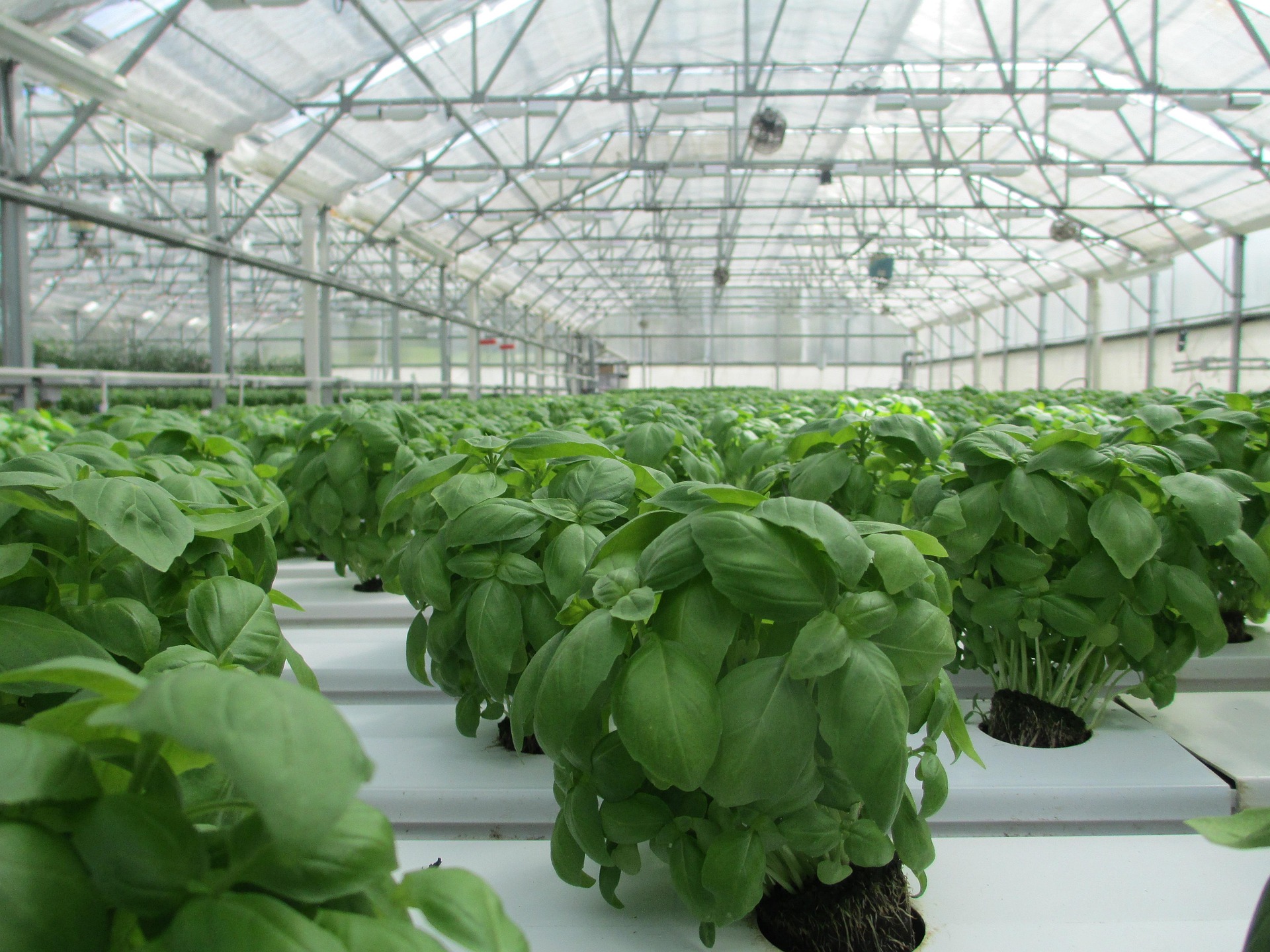
Growing food without soil sounds futuristic, but hydroponics and aquaponics are proven, powerful methods that let a homestead produce fresh vegetables and, in the case of aquaponics, fish, year-round and in remarkably little space. These soilless growing systems offer real advantages in productivity, water efficiency, and control, and they can grow food indoors or in a greenhouse regardless of season or soil. They also involve more complexity and technology than traditional gardening, so understanding what they are and what they demand helps you decide whether they fit your homestead. This guide covers hydroponics and aquaponics for year-round production.
Hydroponics: growing plants in nutrient water
Hydroponics grows plants without soil, with their roots supported in an inert medium or directly in nutrient-enriched water, receiving everything they need from a carefully balanced nutrient solution rather than from soil. Freed from soil, plants can grow faster and in less space, and the method offers precise control over nutrients and conditions. Its advantages are significant: high productivity in small spaces, efficient water use since water is recirculated rather than lost to the ground, the ability to grow year-round indoors or in a greenhouse independent of season and soil quality, and fewer soil-borne pests and diseases. Its trade-offs are that it requires equipment, a nutrient solution you must provide and balance, and more active management and technical attention than soil gardening, plus dependence on the system, and often power, functioning. For growing fresh vegetables intensively in limited space, especially indoors and year-round, hydroponics is a productive and increasingly accessible method.
Aquaponics: a symbiosis of fish and plants
Aquaponics takes hydroponics a step further by combining it with raising fish, creating an elegant closed-loop system where fish and plants support each other. The fish produce waste that would otherwise foul their water; that nutrient-rich water is circulated to the plants, which use the nutrients to grow and in doing so clean the water, which returns to the fish. This symbiosis is the beauty of aquaponics: the fish feed the plants and the plants clean the water for the fish, so a balanced system largely sustains itself, producing both vegetables and fish from one integrated setup. It shares hydroponics’ advantages of productivity, water efficiency, and year-round soilless growing, while adding a protein source and eliminating the need to buy and balance a chemical nutrient solution, since the fish provide the nutrients naturally. The trade-off is added complexity, because you are now managing a living ecosystem of fish, plants, and the beneficial bacteria that convert the fish waste, all of which must stay in balance.
These are systems to manage, not gardens to tend
The most important thing to understand before diving into hydroponics or aquaponics is that they are technological systems requiring active management and carrying real dependencies, not the forgiving, low-tech activity that soil gardening can be. A soil garden is resilient and tolerant: miss a day, and the soil buffers your plants. A hydroponic or aquaponic system, by contrast, depends on its components working, often including pumps and therefore electricity to circulate water, and it requires ongoing attention to keep nutrients, water quality, and, in aquaponics, the living balance of fish and bacteria healthy. A power outage that stops the pumps can quickly endanger the system, especially in aquaponics where the fish depend on circulation, so backup power or a plan for outages is a real consideration, connecting to the value of off-grid power. The systems also demand a learning curve and consistent monitoring, particularly aquaponics with its living balance that must be established and maintained. This does not make them a poor choice, they are genuinely powerful for intensive, year-round, space-efficient, water-efficient production, but it means you should enter them understanding that you are taking on a managed system with technical demands and dependencies, not a set-and-forget garden. For the preparedness-minded, this is a real consideration: these systems can produce impressive amounts of food but are more vulnerable to disruption than resilient soil gardening, so they are best seen as a productive complement to, rather than a replacement for, robust soil-based growing that needs no power to survive. Weigh the impressive productivity against the added complexity and dependency, start on a small scale to learn, and you can decide whether these systems fit your homestead and your goals with clear eyes.
Where they fit on a homestead
Hydroponics and aquaponics are best seen as powerful, specialized additions to a homestead’s food production rather than replacements for its foundation. They excel at intensive, year-round, space-efficient growing, valuable for producing fresh vegetables through winter or in limited space, and aquaponics adds fish protein from the same footprint. But because they depend on technology and management, they complement rather than replace the resilient, low-tech foundation of soil-based growing and raised beds and greenhouses. For a homesteader wanting to push productivity, grow year-round, or produce food in limited or poor-soil space, and willing to take on the technical management, these systems offer impressive returns. Start small to learn the systems before scaling up.
Aquaponics and hydroponics, condensed
- Hydroponics grows plants soillessly in nutrient water: productive, water-efficient, year-round.
- Aquaponics adds fish, creating a self-sustaining loop where fish feed plants and plants clean the water.
- Both offer high productivity in small space with efficient water use, independent of soil and season.
- They are managed technological systems with real dependencies, often including power for pumps.
- Best as a productive complement to resilient soil growing; start small to learn.
Hydroponics and aquaponics bring impressive, space-efficient, year-round food production to a homestead, growing vegetables and even fish without soil and with remarkable water efficiency. Their power comes with the trade-off of technical complexity and dependence on functioning systems and often power, so they are best understood as managed systems and as a productive complement to, rather than a replacement for, resilient soil-based growing. Approach them with that clear understanding, start small to master the systems, and they can add a genuinely productive, high-tech dimension to a self-reliant homestead’s ability to grow food in any season and any space.


