
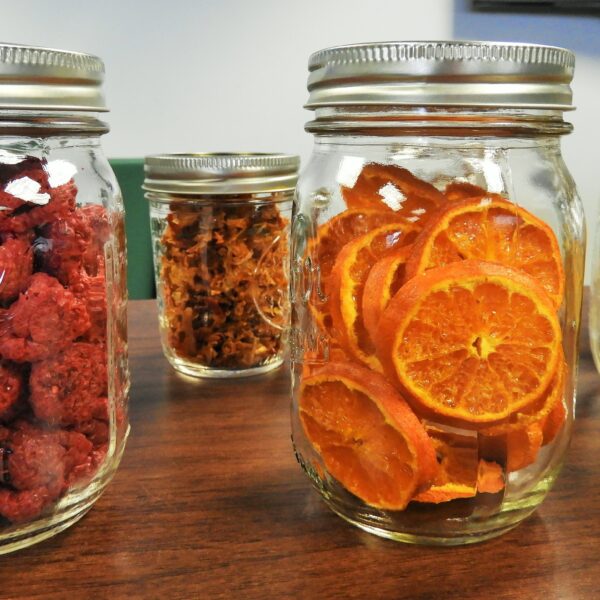
Dehydrating fruits and meats is a practical and delicious way to preserve the bounty of your garden or local farmer’s market, ensuring year-round access to fresh, nutritious produce while reducing food waste. Mastering essential dehydration techniques is crucial for creating high-quality, shelf-stable goods
that maintain flavors and textures. This article will guide you through the fundamentals of dehydrating fruits and meats, providing you with the knowledge needed to create delicious, long-lasting snacks for yourself and your family.
Understanding Dehydration
Dehydration is a method of preserving food by removing most of its moisture. This process slows the growth of microorganisms and enzymes that cause spoilage, thus extending the shelf life of the food.
Benefits of Dehydrating Food
- Portability: Dried foods are lightweight and easy to carry, making them ideal for camping trips, survival situations, or emergencies.
- Shelf Life: Properly dried food can last for several months or even years without refrigeration.
- Nutrient Retention: Dehydrating maintains the nutritional value of most foods, making it a healthier alternative to other preservation methods like canning.
Dehydrating Fruits
Choosing the Right Fruits
For optimal results, choose ripe but firm fruits. Overripe or underripe fruits may not dry well.
Preparation
Wash and cut the fruit into thin slices. Remove seeds and peels if necessary. For berries, spread them in a single layer on the trays.
Dehydrating Process
Place the prepared fruits on dehydrator trays. Set the dehydrator to 125-145°F (52-63°C) for fruits. Dehydration time varies depending on fruit type and thickness, but typically takes several hours.
Checking for Doneness
Fruit is dry when it’s leathery or brittle. If you can bend a piece without it breaking, it needs more time.
Dehydrating Meats
Choosing the Right Meats
Lean meats with low fat content are best for dehydration. Opt for cuts like beef jerky, pork tenderloin, and venison.
Preparation
Trim excess fat from the meat and cut into thin slices. Marinate if desired for flavor enhancement. Coat with a mixture of salt, pepper, and other seasonings to improve preservation.
Dehydrating Process
Lay the marinated meat on dehydrator trays. Set the dehydrator to 145-160°F (63-71°C) for meats. Dehydration time varies depending on meat thickness, but typically takes several hours.
Checking for Doneness
Meat is dry when it’s tough and leather-like. If you can still see moisture or the meat is sticky, it needs more time.
Storing Dried Foods
Store dried fruits and meats in airtight containers away from direct sunlight for longest shelf life.
Troubleshooting Common Issues
- Mold: Mold can form if the food is not dry enough. Increase drying time or lower the temperature slightly.
- Sticky Food: Stickiness indicates that the food was not dried long enough. Continue dehydrating until it becomes tough and leathery.
- Off Odors: Off odors can occur if the food was not dried properly or if the dehydrator wasn’t clean. Make sure to clean your dehydrator between uses and adjust drying times as needed.
How Dry is Dry Enough?
When it comes to dehydrating fruits and meats, striking the right balance between preservation and maintaining texture is essential. Here are some tips to
help you determine if your food is properly dehydrated:
- Visual inspection: The appearance of the food can provide valuable clues about its level of dehydration. Fruits should have a leathery or slightly chewy texture, while meats should be dry and tough. If fruits are sticking together, they may not be fully dehydrated, while over-dehydrated meats can become brittle and crumbly.
- Squeeze test: Gently squeezing the food can help determine its moisture content. Fruits and meats that are properly dehydrated should feel firm but not
wet to the touch. Over-dehydrated foods may break apart easily when squeezed, while under-dehydrated items will still be slightly moist or sticky. - Temperature checks: Using a food thermometer can help you ensure that your fruits and meats have been dehydrated to the appropriate temperature. Fruits
should reach an internal temperature of 145°F (63°C), while meat should be cooked to an internal temperature of at least 160°F (71°C) for food safety. - Smell test: The aroma of dehydrated fruits and meats can also provide insight into their level of dehydration. Under-dehydrated items may have a slightly moist or musty smell, while over-dehydrated foods will have a stronger, sometimes acrid odor.
- Taste test: As a final step, tasting a small piece of your dehydrated food can help you determine its level of doneness. Under-dehydrated items may still be slightly moist or sweet, while over-dehydrated foods will have a tough, leathery texture and less flavor.
By following these tips, you can confidently assess the degree of dehydration in your fruits and meats, ensuring that they are properly preserved for long-term storage while maintaining their desired flavors and textures.