
Introduction
This comprehensive guide aims to provide an in-depth understanding of traditional and modern methods for smoking fish and meats. The process of smoking food not only preserves it but also enhances its flavor, making it a valuable skill for preppers, homesteaders, and survival enthusiasts.
Traditional Smoking Methods
Cold Smoking
Cold smoking involves maintaining the temperature of the smoke chamber below 32°C (90°F). This method is used for preserving and flavoring fish, poultry, and cured meats. The key to successful cold smoking is a consistent temperature and airflow.
Building a Cold Smoker
- Materials: Barrel or wooden box, smoke generator (wood chips), damper, thermometer, food-grade sealant
- Procedure: Construct a sealed chamber with air vents. Fill it with wood chips and adjust the airflow to create smoke. Maintain temperature below 32°C using ice packs or insulation.
Hot Smoking
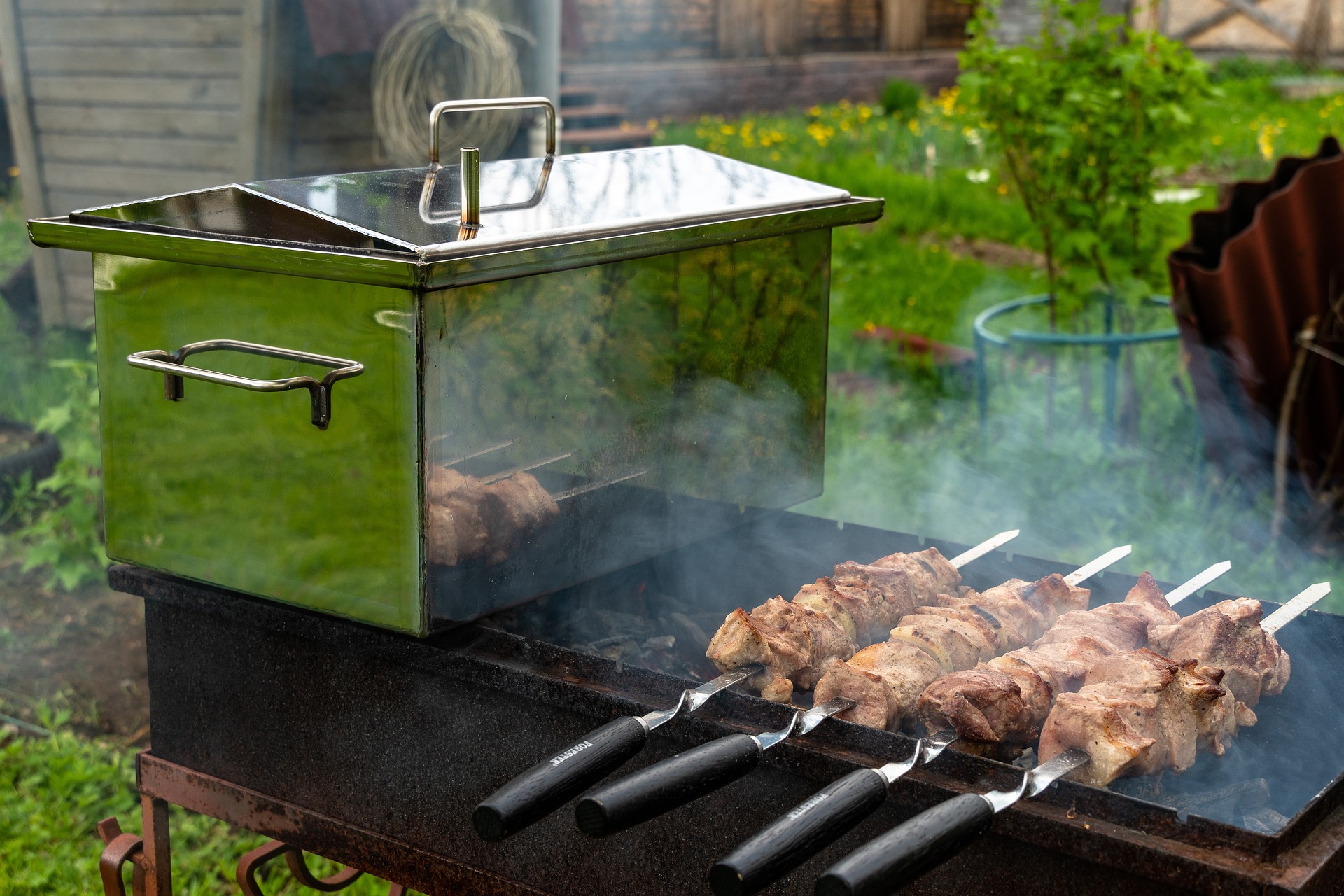
Hot smoking occurs at temperatures between 65-90°C (149-194°F). It is used for cooking and preserving meats, such as sausages, hams, and beef. The higher temperature produces a cooked product.
Building a Hot Smoker
- Materials: Metal drum, smoke generator (wood chips), damper, thermometer, food-grade sealant, firebox
- Procedure: Construct a sealed chamber with an attached firebox and adjustable air vents. Build a fire in the firebox to generate heat and smoke.
Modern Smoking Equipment
The modern market offers various smoking equipment designed for efficiency, convenience, and consistency. Some popular options include electric smokers, propane smokers, and pellet smokers.
Electric Smoker
Electric smokers are easy to use, requiring only the selection of a temperature setting and the addition of wood chips. They maintain a consistent temperature through an electric heating element and offer digital control options.
Propane Smoker
Propane smokers use a gas burner to produce heat and smoke, making them portable and convenient for outdoor cooking. They often feature adjustable temperature controls and multiple racks for versatility.
Pellet Smoker
Pellet smokers utilize compressed wood pellets as fuel to produce smoke and heat. These smokers offer digital control systems for precise temperature regulation, making them a popular choice among outdoor cooking enthusiasts.
Conclusion
Whether you choose traditional or modern methods, smoking fish and meats is an essential skill for preppers, homesteaders, and survivalists. Understanding the principles of cold smoking, hot smoking, and the use of modern equipment will enable you to preserve food, enhance flavor, and enjoy delicious homemade smoked products.
References
- The Spruce Eats: Cold Smoking Equipment
- The Spruce Eats: Hot Smoking Equipment
- The Spruce Eats: Electric Smoker Reviews
- The Spruce Eats: Propane Smoker Buying Guide
- The Spruce Eats: Pellet Grills and Smokers Buying Guide
Disclaimer
This article provides general information and is not intended as a substitute for professional advice. Always ensure proper safety measures are taken when smoking food, and consult a professional before attempting any construction projects.