
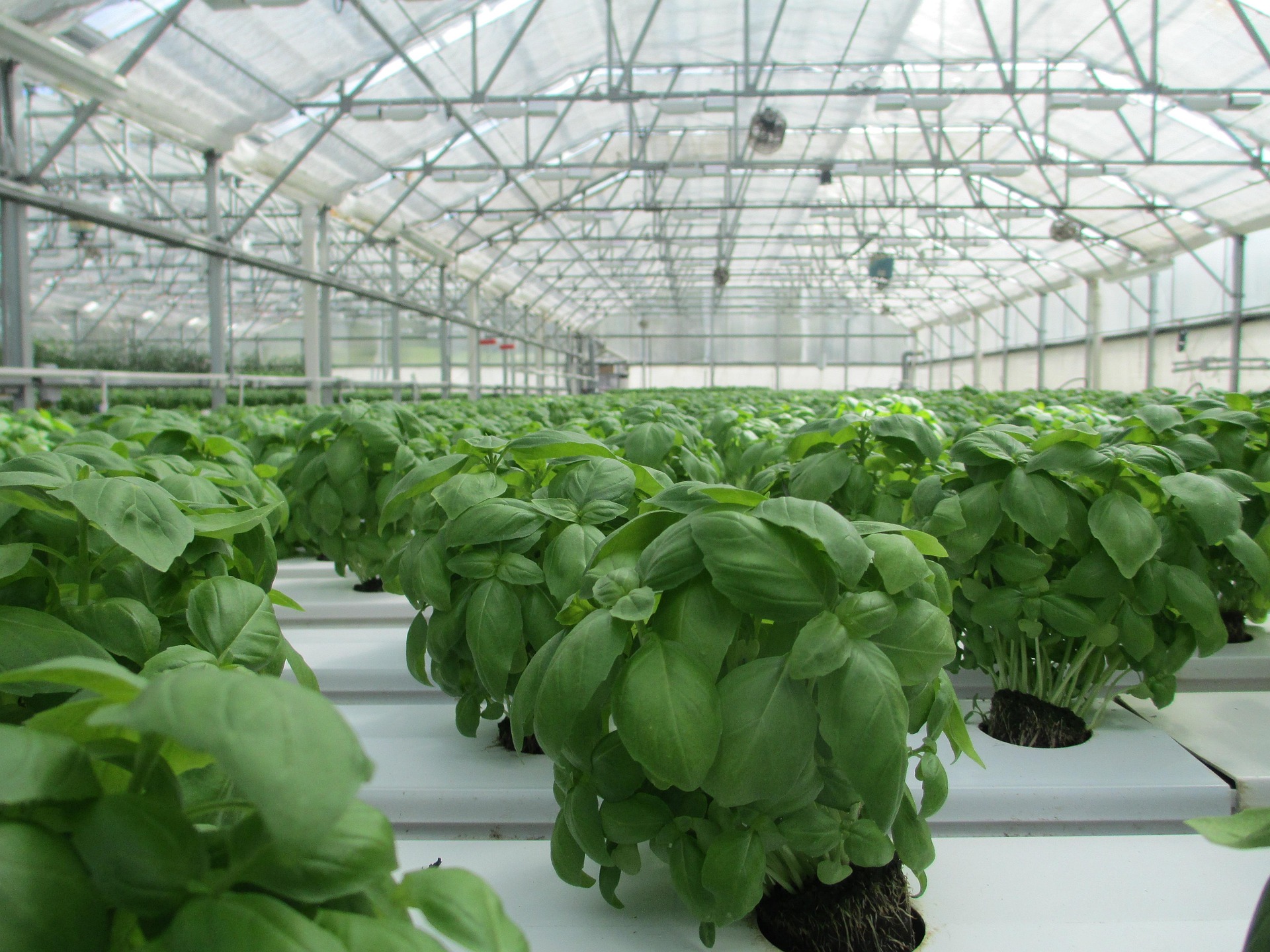
Year-round food production is an essential goal for sustainable living, especially in areas where traditional farming methods may be limited or challenging. Aquaponics and hydroponics systems offer innovative solutions for year-round cultivation of fruits, vegetables, and even fish, using minimal resources and
reducing the environmental impact. This article will explore the principles of aquaponics and hydroponics, their benefits, and practical considerations for implementing these systems for prepping, homesteading, and survival scenarios.
Understanding Aquaponics and Hydroponics
Aquaponics is a symbiotic system that combines conventional hydroponics (soil-less cultivation) with aquaculture (rearing fish). The synergy between these two methods creates a closed-loop system where fish waste provides nutrients for plant growth, while the plants purify water for fish. Hydroponics, on the other hand, is the process of growing plants without soil, using mineral nutrient solutions in a water solvent.
Benefits of Aquaponics and Hydroponics
- Water Efficiency: Both methods consume significantly less water compared to traditional agriculture.
- Space Savings: Due to vertical stacking and reduced soil usage, both systems allow for higher yields per square foot.
- Year-Round Production: Controlled environments ensure continuous growth regardless of outdoor conditions.
- Pest Control: The lack of soil reduces the risk of pests and diseases commonly associated with traditional farming.
Designing Your Aquaponics or Hydroponics System
The design process begins by determining the purpose, size, and resources available for your system. Key components include:
- Grow Media: In hydroponics, this can be perlite, clay pebbles, or coconut coir. Aquaponics systems use inert media such as gravel or clay balls.
- Nutrient Solution: A balanced mix of essential nutrients is required for plant growth. Commercial blends are available, but custom formulations can also be created.
- Water Pump: Essential for circulating water and nutrients throughout the system.
- Fish Tank: This is the heart of an aquaponics system, housing the fish that provide waste to nourish the plants.
- Growing Space: This is where your plants will thrive. Consider vertical designs for increased efficiency.
Maintaining Your System
Regular monitoring and maintenance are crucial to the success of your aquaponics or hydroponics system:
- Water Quality: Test water pH, nutrient levels, and temperature regularly.
- Plant Health: Monitor plant growth for signs of nutrient deficiencies or toxicities.
- Fish Care: Maintain optimal fish health by providing appropriate living conditions and feeding a balanced diet.
Expanding Your Knowledge
Continuous learning is essential for mastering aquaponics and hydroponics. Join online communities, attend workshops, and experiment with various plant species and fish varieties to improve your skills and maximize your system’s efficiency.
By implementing an aquaponics or hydroponics system, you can enhance self-reliance, minimize environmental impact, and secure a reliable food source for prepping, homesteading, or survival scenarios. Happy growing!
Conclusion
This guide serves as an introduction to the fascinating world of aquaponics and hydroponics systems. With careful planning, design, and maintenance, you can establish a year-round production system tailored to your needs.