
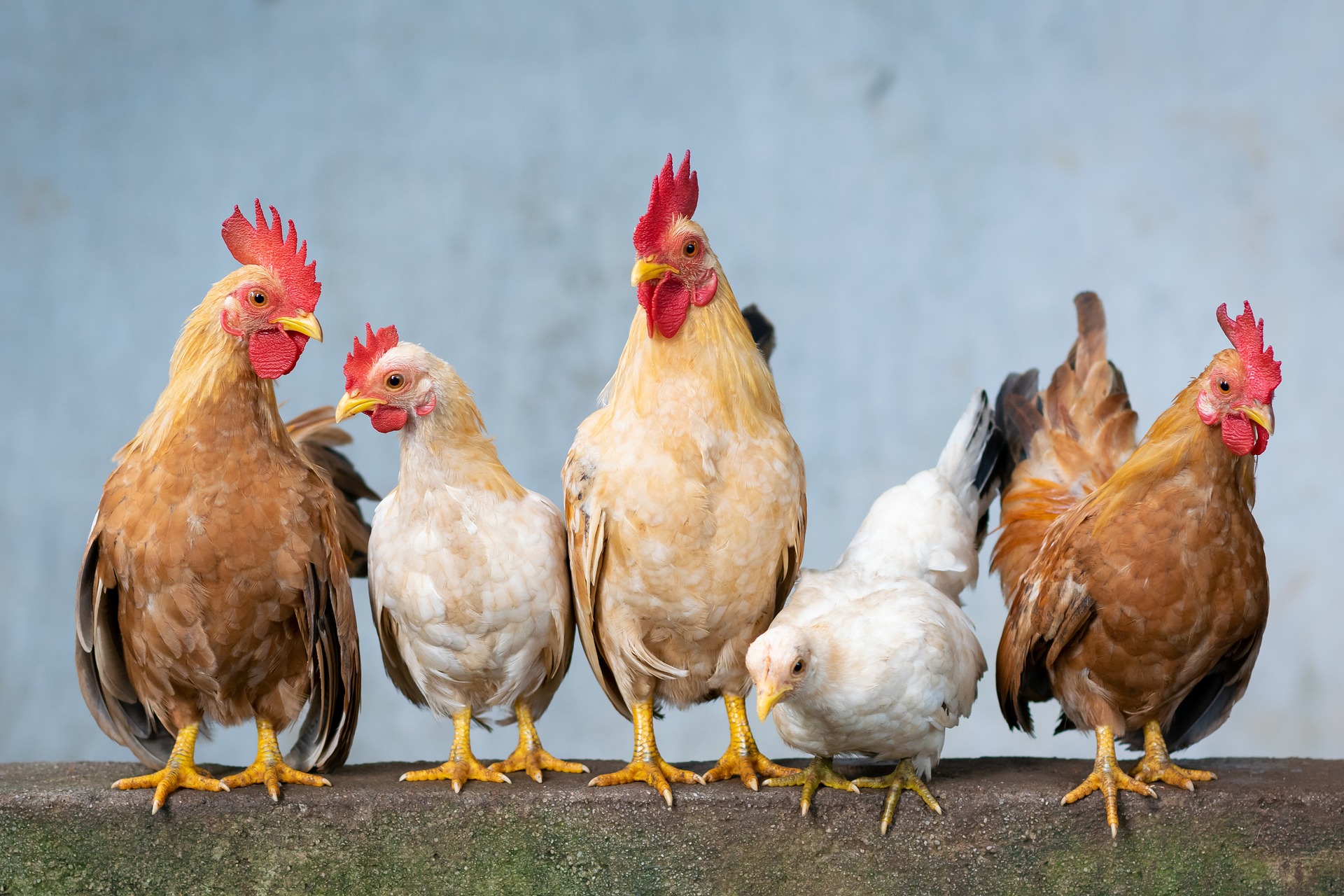
Welcome to our guide on small-scale livestock raising, focusing on chickens and rabbits. This article aims to provide a comprehensive yet engaging overview of these two popular choices for homesteaders and preppers alike.
Chickens: The Feathered Workhorses
Chickens, with their versatile nature, have been a staple in backyard farming for centuries. They provide eggs, meat, and even manure, making them an ideal choice for self-sufficient living.
Egg Production
One of the most immediate benefits of raising chickens is their egg production. A healthy hen can lay around 250-300 eggs per year, making them a valuable source of protein. Leveraging breeds like Rhode Island Reds or Plymouth Rocks can enhance egg production due to their high laying potential.
Meat Production
While primarily kept for eggs, chickens can also serve as a source of meat. A broiler chicken typically takes 6-8 weeks to reach maturity and provides around 4 lbs (1.8 kg) of meat. This makes them an excellent choice for those looking to supplement their protein intake.
Maintenance and Care
Chickens require a secure, predator-proof coop with roosting bars and nesting boxes. They also need ample space during the day to free range or graze. Providing fresh water, grit, and a balanced diet are essential for their health and wellbeing.
Rabbits: The Quiet Producers
Rabbits, though smaller in size, offer significant benefits to homesteaders. They are prolific breeders, producing offspring quickly, and provide meat, fur, and manure.
Meat Production
A mature rabbit can yield up to 12 lbs (5.4 kg) of meat, making them an efficient source of protein compared to chickens. Rabbits also have a quick reproductive cycle, with does (female rabbits) able to breed from four months old.
Fur and Manure
Rabbit fur can be used for clothing or crafting, while their manure is rich in nutrients and makes excellent fertilizer. Rabbits also produce less waste than other livestock, making them a more eco-friendly choice.
Housing and Care
Rabbits need a clean, dry hutch with plenty of bedding to burrow in. They should have access to outdoor space for exercise and fresh air. Regular cleaning, a balanced diet, and veterinary care are crucial for their health.
Conclusion
Both chickens and rabbits offer valuable contributions to small-scale livestock raising. By understanding their needs and potential benefits, homesteaders can make informed decisions about incorporating these animals into their self-sufficient lifestyle.
Remember that responsible animal care is paramount, ensuring the wellbeing of your livestock while maximizing your return on investment. Happy farming!