
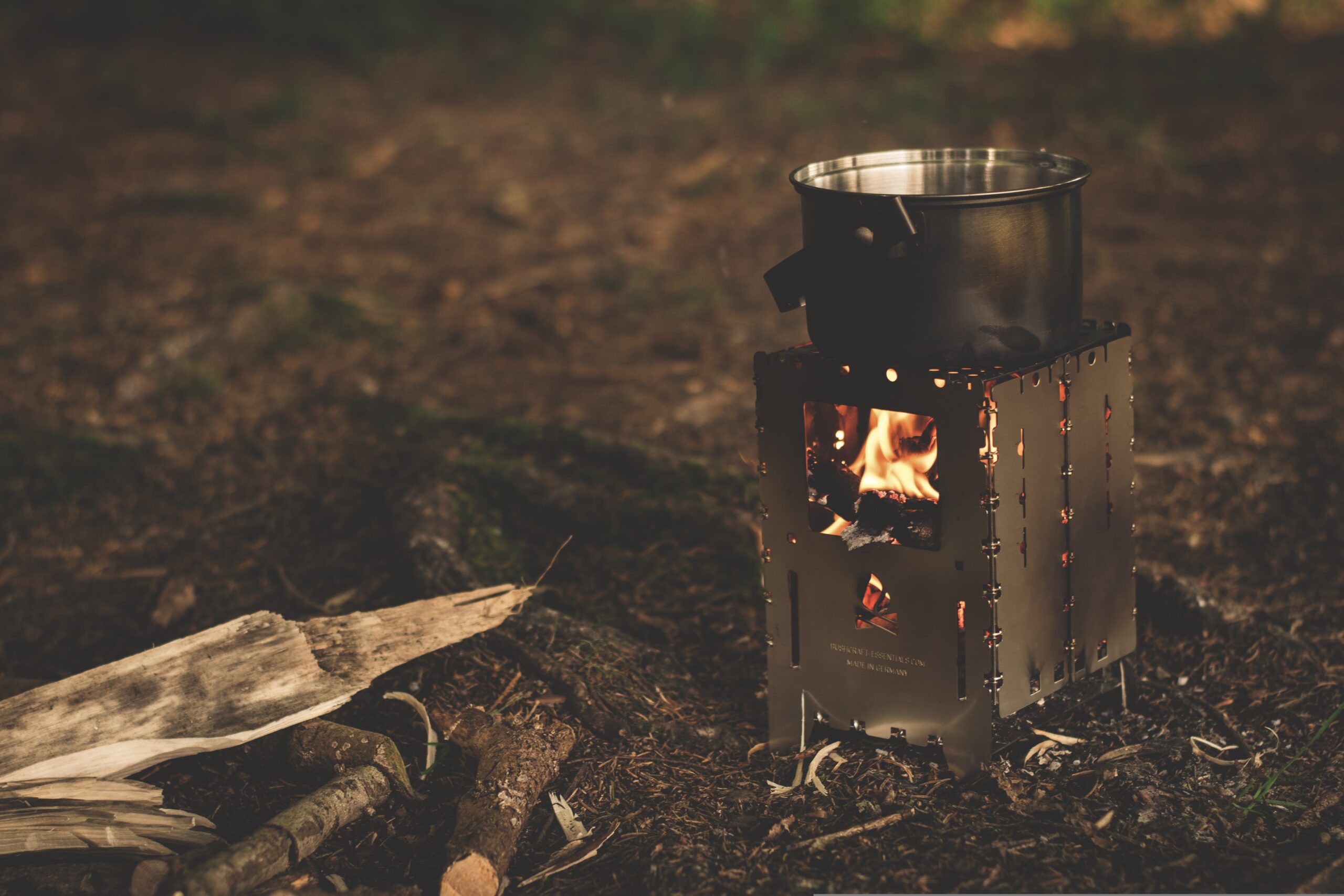
In the realm of outdoor adventures, having a reliable cooking stove can greatly enhance your experience by providing hot meals, purified water, and comfort
in challenging environments. Survival cooking stoves come in various forms, each with unique advantages designed to cater to different situations. This
article aims to explore essential survival cooking stove technologies that can help you prepare delicious and nutritious meals while navigating the
wilderness.
- Alcohol Stoves: Simple and lightweight, alcohol stoves are ideal for short trips or emergency scenarios. They utilize denatured alcohol as fuel, which
burns cleanly and efficiently, producing minimal soot or smoke. These stoves typically consist of a small metal canister filled with alcohol, a wick, and a
heat shield to protect your pot from direct flame contact. Alcohol stoves offer the benefit of being easily portable, requiring no priming or preheating,
and providing consistent heat for boiling water or cooking simple meals. - Esbit Stoves: Fueled by hexamine tablets, esbit stoves are compact, lightweight, and easy to use. Each tablet produces enough heat to boil approximately
one liter of water or cook a meal for one person. The stove consists of a burner that holds the hexamine tablet, a pot stand, and a heat reflector to direct
heat towards your pot. Esbit stoves are versatile, as they do not require priming, produce minimal smoke, and can be used in any weather condition. - Multi-fuel Stoves: More sophisticated than their simpler counterparts, multi-fuel stoves can burn a variety of fuels such as gasoline, diesel, kerosene,
or even wood. These stoves offer the advantage of flexibility, allowing you to use fuel sources that may be available in your surroundings. Multi-fuel
stoves typically consist of a burner, a pot stand, and a windscreen for improved efficiency. However, they can be heavier and more complex than other
options, making them less suitable for shorter trips or emergencies. - Solid Fuel Tablets: Similar to esbit tablets, solid fuel tablets are compact, lightweight, and offer the advantage of a longer burn time compared to
their hexamine counterparts. These tablets are made from compressed coconut charcoal with added binders and chemicals to produce heat when ignited. Solid
fuel tablets can be used in a variety of stoves or even improvised cookware, making them an adaptable choice for survival situations. - Wood-Burning Stoves: Ideal for longer trips or base camp scenarios, wood-burning stoves provide a stable and efficient means of cooking. These stoves can
be as simple as a fire pit with a grate or as complex as a metal stove designed to optimize heat transfer and reduce smoke production. Wood-burning stoves
offer the advantage of using a readily available fuel source, but they require more effort to gather, prepare, and maintain compared to other options. - Rocket Stoves: Highly efficient wood-burning stoves, rocket stoves are designed to produce maximum heat with minimal fuel consumption. They consist of an
insulated combustion chamber and a chimney for improved airflow, reducing smoke production and increasing efficiency. Rocket stoves are ideal for cooking
meals in cold or windy conditions and can be easily constructed using recycled materials or purchased as prefabricated kits. - Solar Cookers: Unique among survival cooking stove technologies, solar cookers utilize the sun’s energy to heat food. These devices consist of a box with
a reflective surface, such as a mirror, that focuses sunlight onto a pot or bag containing your meal. Solar cookers offer the advantage of being
lightweight, fuel-free, and environmentally friendly, but they require clear skies and prolonged exposure to direct sunlight for optimal results.
In conclusion, survival cooking stove technology offers numerous solutions tailored to various outdoor scenarios. Understanding each option’s advantages and
disadvantages can help you make an informed decision when selecting a stove for your next adventure. Consider factors such as weight, fuel availability,
ease of use, and efficiency when choosing the right stove for your needs. With a reliable cooking stove in hand, you can enjoy delicious meals and stay
nourished while navigating the wilderness.