
Introduction
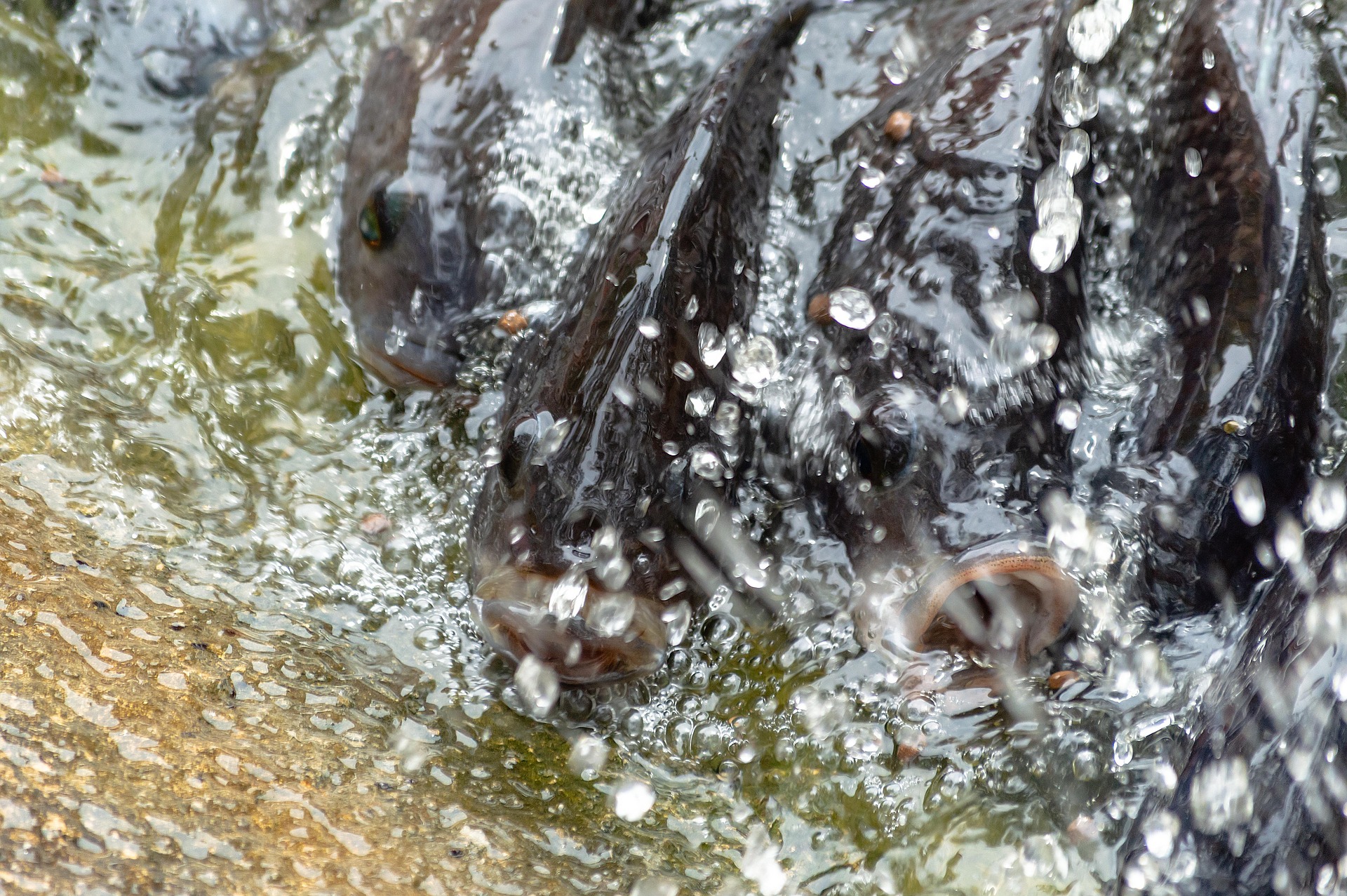
Welcome to the fascinating world of freshwater fish farming! This guide is designed specifically for beginners who are interested in starting a tilapia farm. Tilapia, an omnivorous and hardy fish species, are an excellent choice for small-scale farmers due to their rapid growth rate, adaptability, and nutritional value.
Setting Up the Farm
Pond Preparation
Start by choosing a suitable location for your tilapia pond. Ideally, it should be sunny, well-drained, and easily accessible. The ideal size for a beginner’s pond is about an acre.
Prepare the soil by removing any vegetation, stones, or debris. Then, dig a shallow pond (typically around 3 feet deep) with gently sloping sides to make it easier for fish to swim and breathe.
Pond Construction
Construct the pond using a combination of clay, sand, and gravel as your base layer. Add a waterproof liner to prevent leakage and ensure longevity. Construct an earthen dam to contain the water.
Water Source
Install a reliable water source for filling and maintaining your pond. This could be a well, borehole, or municipal water supply, depending on availability in your area.
Stocking Your Pond
Choosing Healthy Fry
Purchase healthy tilapia fry from a reputable supplier. Look for fry that are active, have clear eyes, and unblemished scales.
Stocking the Pond
Stock your pond with the fry at a rate of around 100-200 fry per acre. Be sure to acclimate the fry gradually to the pond water before releasing them.
Caring for Your Tilapia
Feeding
Provide a balanced diet for your tilapia, consisting of both plant-based and animal-based feed. Feed them twice daily, adjusting the amount based on their growth rate.
Water Quality
Regularly test the water quality in your pond to ensure it remains suitable for tilapia. Monitor parameters such as pH, dissolved oxygen levels, and ammonia and nitrite concentrations.
Preventing Diseases
Implement good biosecurity practices to prevent the introduction of diseases into your farm. Quarantine new fish before introducing them to your main population, and vaccinate against common tilapia diseases when necessary.
Harvesting Your Tilapia
Tilapia can be harvested once they reach a marketable size of around 1-2 pounds. This typically takes between six to twelve months, depending on the specific tilapia variety and feeding regimen.
Harvesting Techniques
Manually net the fish or use an electric stunner before harvesting to make the process quicker and less stressful for the fish.
Conclusion
Raising tilapia can be a rewarding and profitable endeavor for beginners. By following these steps and adhering to good farming practices, you’ll be well on your way to success in freshwater fish farming.