
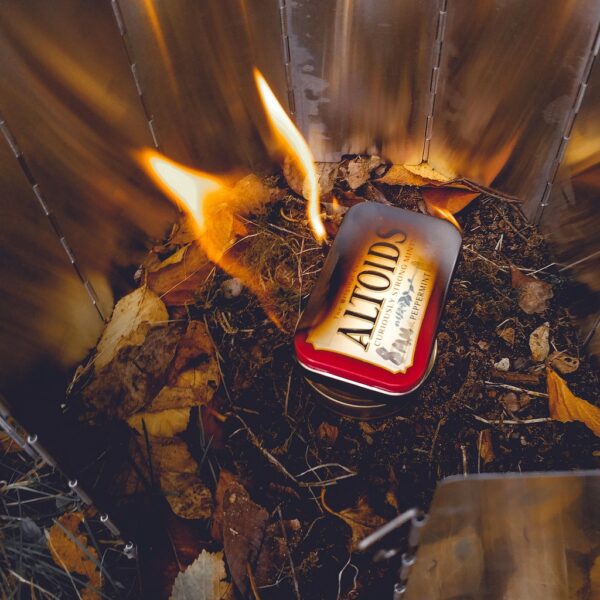
In survival situations, fire is essential for warmth, cooking, purifying water, and signaling for help. Learning various primitive fire starting techniques can increase your chances of staying alive and enhancing self-reliance. This guide aims to provide essential guidance on creating and maintaining fires using basic materials found in nature.
Friction Fire Methods
Hand Drill (Bow Drill)
- Find a suitable dry, hardwood stick for the spindle. A U-shaped notch should be carved at one end.
- Select a smaller, flat piece of wood for your hearth board. Carve a V-notch on it where you’ll place your spindle.
- Prepare a fireboard by shaving the side of a wooden stick smooth and flat. This will create friction against the spindle when spun rapidly.
- Cover the V-notch on the hearth board with the fireboard, keeping it in place with your foot or another hand.
- Start spinning the spindle between your hands while applying pressure downwards onto the fireboard. Once the friction generates embers, collect and gently blow them into a flame.
Fire Plow (Fire Saw)
- Carve a narrow, U-shaped groove on a flat piece of wood. This will be your fire plow or fire saw.
- Prepare another stick that’s slightly thicker than the groove in the fire plow.
- Place the thicker stick across the groove, perpendicularly, and apply pressure with a downward motion while moving it along the groove.
- The friction produced by this sawing motion will create embers. Transfer these to a tinder bundle and blow gently until a flame is established.
Flint and Steel Fire Starting
- Find a suitable flint rock and a hard, steel striker (or sharp metal).
- Create a small, fine tinder bundle made of materials such as dry grass, bark, or cottonwood fuzz.
- Place the tinder under the striking surface of your steel striker. Hold the flint securely in your non-dominant hand.
- Strike the steel against the flint with a firm downward motion, directing sparks onto the tinder bundle.
- Gently blow on the embers until they ignite into a flame.
To maintain your fire:
- Gradually add kindling, starting with smaller pieces and gradually increasing in size as the fire grows.
- Once the fire is established, add fuel (larger pieces of wood) to keep it burning.
- Be careful not to smother the fire by adding too much fuel at once or covering it with ashes.
- Keep the fire small and controlled to conserve resources and reduce smoke.
Remember, mastery takes practice, so don’t be discouraged if your first attempts don’t result in success. Understanding these primitive fire starting techniques can empower you to face any survival situation with confidence and resourcefulness.
Safety Considerations
While fires are essential for survival, they can also pose significant risks to individuals and the environment if not managed properly. Outdoor fire safety
is crucial for maintaining a safe and enjoyable experience while camping or spending time in nature. Here are some essential guidelines to follow when
building and maintaining fires:
- Choose an appropriate location: Find a flat, open area with minimal vegetation and no overhead branches. Make sure your fire is at least six feet away
from tents, trees, and other flammable materials. - Prepare the site: Clear a circle around where you plan to build your fire, removing leaves, grass, and other debris. Dig a small pit if necessary to
contain the fire and prevent it from spreading. - Gather fuel: Collect firewood responsibly by only taking what you need and leaving dead or fallen branches behind. Avoid using wet wood, which can
produce smoke and make it difficult to start and maintain a fire. - Build the fire: Arrange your kindling and fuel in a teepee shape for optimal airflow, with tinder at the base. Light the tinder and gradually add larger
pieces of wood as the fire grows. - Maintain the fire: Keep the fire small and manageable to prevent it from spreading or becoming uncontrollable. Avoid adding too much fuel at once, and be
cautious not to smother the fire with ashes. - Extinguish the fire: When you’re finished, douse the fire with water, stir the ashes, and ensure all embers are extinguished before leaving the site. Do
not bury the remains, as this can introduce harmful chemicals into the soil. - Follow local regulations: Research and adhere to any campfire restrictions or bans in your area, particularly during times of drought or high fire risk.
Use designated campfire rings whenever possible, and always dispose of any leftover ashes in a safe and responsible manner.
Practice responsible fire management and respect the environment around you. By following these outdoor fire safety guidelines, you can ensure a safe experience.