
In times of survival, acquiring food can be a matter of life and death. One of the most accessible sources of food in various environments is fishing. This article aims to provide essential fishing techniques that could significantly enhance your chances of catching fish in challenging situations. We delve into
traditional and innovative methods, offering tips on choosing the right equipment, locating fish-rich areas, and employing effective bait strategies. Whether you’re an avid angler or a survival enthusiast, this guide is designed to help you adapt and thrive when resources are scarce. Let’s dive into the art of fishing for survival.
Fishing offers an accessible source of sustenance in a wide
range of environments. Understanding various fishing techniques can significantly boost your chances of survival and increase your self-reliance. This
article aims to provide essential guidance on fishing for survival situations, offering tips on equipment choices, location selection, and bait strategies.
Before venturing into the wild, it’s essential to familiarize yourself with the appropriate gear. A fishing kit should be lightweight, versatile, and
durable. The core components include a fishing line, hooks, floats, sinkers, and a reel or pole. Collapsible poles are ideal for portability, while
multi-hook rigs allow you to increase your chances of catching fish with minimal equipment. Additionally, a survival knife can be used to create or modify
fishing tools as needed.
When searching for a fishing spot, consider factors such as water depth, current, temperature, and the presence of aquatic vegetation. Fish tend to
congregate in areas where food sources are abundant, such as near the shore, underwater structures, or around weed beds. Inland bodies of water like rivers,
lakes, and ponds may offer better chances than coastal fishing during emergencies.
Bait selection plays a vital role in attracting fish. Common baits include worms, insects, minnows, and bread. For survival situations, it’s crucial to be
resourceful and adaptable. You can use found items like leaves, pieces of meat, or even parts of other aquatic creatures as bait.
One of the most basic fishing techniques is the “casting” method. To cast your line, hold the pole with one hand and position the hook with bait attached at
the end. Aim for a smooth, powerful throw to ensure that your bait lands where you want it. Once the line hits the water, slowly reel it in, allowing the
bait to move naturally.
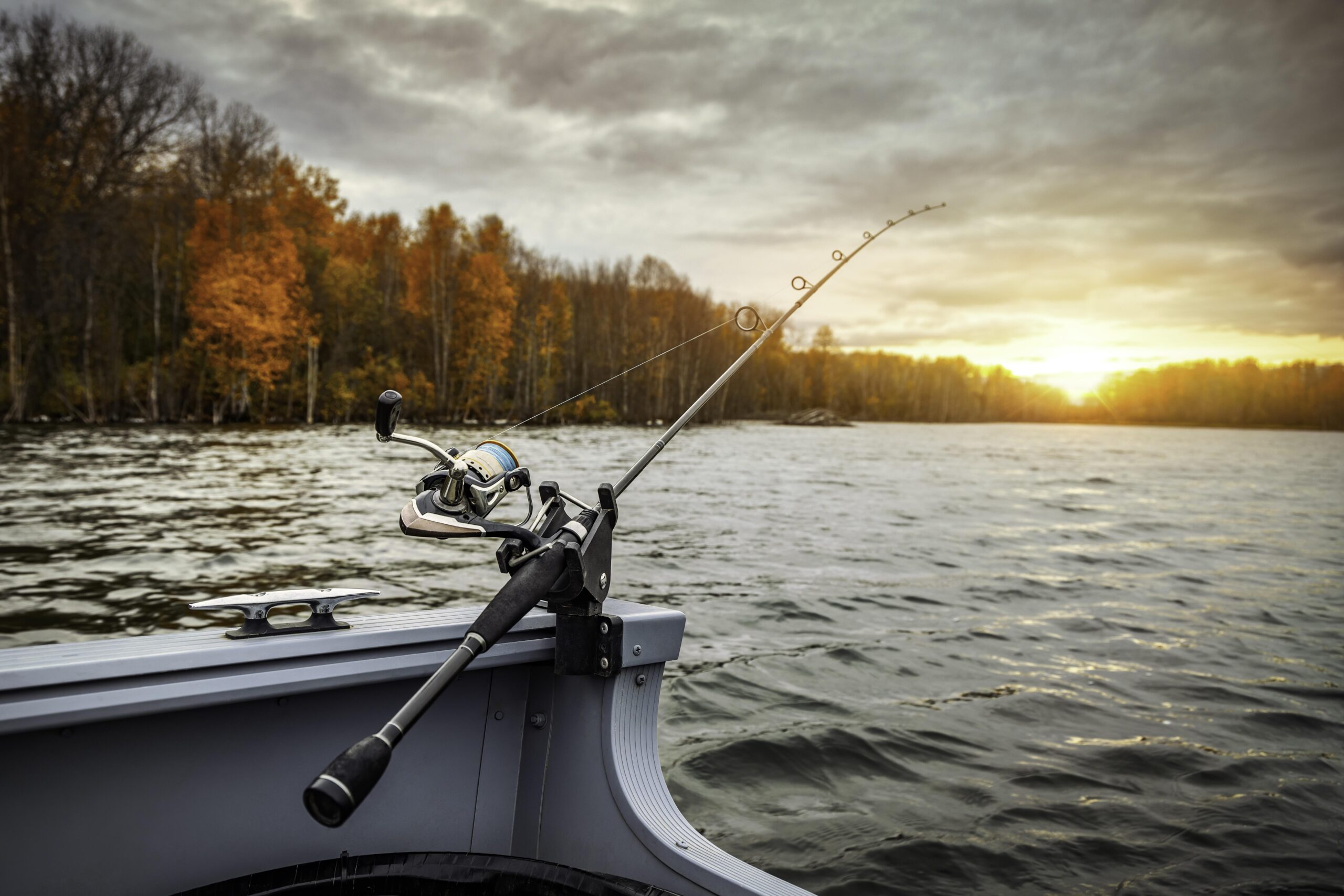
Another essential fishing technique is “trolling.” Trolling involves moving your boat or other floating device while keeping a fishing line behind it with
bait attached. This method covers a larger area and can attract fish that may not be interested in still water. To troll effectively, maintain a steady
speed and vary the depth at which your line is submerged to increase your chances of catching fish.
In some situations, you may need to improvise fishing equipment. For example, creating a “handline” can be done by attaching a hook to a strong cord or
vine, with one end tied around a stick and the other hand-held during casting. While this method is less efficient than using a traditional pole, it can
still provide food in desperate times.
In addition to learning various fishing techniques, it’s essential to understand fish identification and habitat requirements. Knowing which species are
present in your area and their preferred environments can help you focus your efforts where they will be most productive. Educational resources like field
guides or online forums can provide valuable information on local fish populations.
When embarking on a survival fishing expedition, safety should always be a priority. Wear protective gear such as gloves to prevent cuts and blisters from
hooks or sharp objects. Additionally, be aware of potential hazards like submerged debris or strong currents that could put you in danger.
Basic Equipment
Before we delve into the techniques, it’s crucial to familiarize yourself with some essential equipment:
- Fishing Line: Durable and strong lines are essential for catching larger fish. Nylon monofilament or braided lines are common choices.
- Fishing Hooks: Size and type of hook depend on the target species. Generally, smaller hooks work well for smaller fish, while larger hooks are suitable for bigger catches.
- Sinkers: Add weight to your line to help it reach the bottom where fish often dwell.
- Swivels: They prevent line twists and improve casting distance.
- Bait: Worms, minnows, or artificial lures can attract fish.
More Common Fishing Techniques
There are several popular fishing methods suitable for survival scenarios. Here are three essential techniques to master:
1. Bottom Fishing
Bottom fishing involves casting your line and letting it sink to the bottom, where you attach a weight or sinker to keep it anchored. Attach a hook with bait and wait for a bite. This method is ideal for catching fish that dwell near the river or lake bed.
2. Trolling
Trolling involves moving your boat while trailing fishing lines behind it, allowing artificial lures to mimic the motion of prey and attract fish. This method is effective when fishing for predators like trout, salmon, or bass.
3. Cast Net Fishing
Cast net fishing involves using a lightweight, conical-shaped net to throw over schools of fish. It requires practice and timing but can be highly effective for catching large quantities of smaller fish.
Trapping Techniques
In addition to casting and trolling, trapping is another fishing method that may prove useful in survival situations. Here are two common trapping techniques:
1. Gill Netting
Gill netting involves creating a wall of mesh netting across a body of water to trap fish as they swim through it. While gill nets can be effective, they are illegal in many areas due to concerns about bycatch and environmental impact.
2. Seining
Seining is a type of fishing that uses a large, cone-shaped net with a weighted bag at the bottom called a purse seine. Fish are driven into the net by herding them against the shore or using boats to encircle schools. Once inside, the net’s bottom is closed by pulling on ropes attached to the bag, trapping the fish inside.
Fishing in Emergency Scenarios
When food resources are scarce, fishing can play a crucial role in survival. In emergency situations, it’s essential to prioritize safety, ethics, and sustainability:
- Choose the right location: Look for bodies of water with fish populations, such as lakes, rivers, or estuaries.
- Respect catch limits: Avoid overfishing and ensure that you release small fish or keep only what is necessary to avoid depleting the local population.
- Practice safe fishing techniques: Always use appropriate safety equipment, such as life jackets and gloves, and be mindful of potential hazards like sharp hooks or strong currents.
Fishing can play an integral role in survival situations by providing a reliable source of food. By understanding various fishing techniques,
selecting appropriate equipment, and being adaptable to your environment, you can significantly improve your chances of catching fish and thriving in
challenging circumstances. Stay safe, stay prepared, and remember that practice makes perfect – even when it comes to life-saving skills like fishing.