
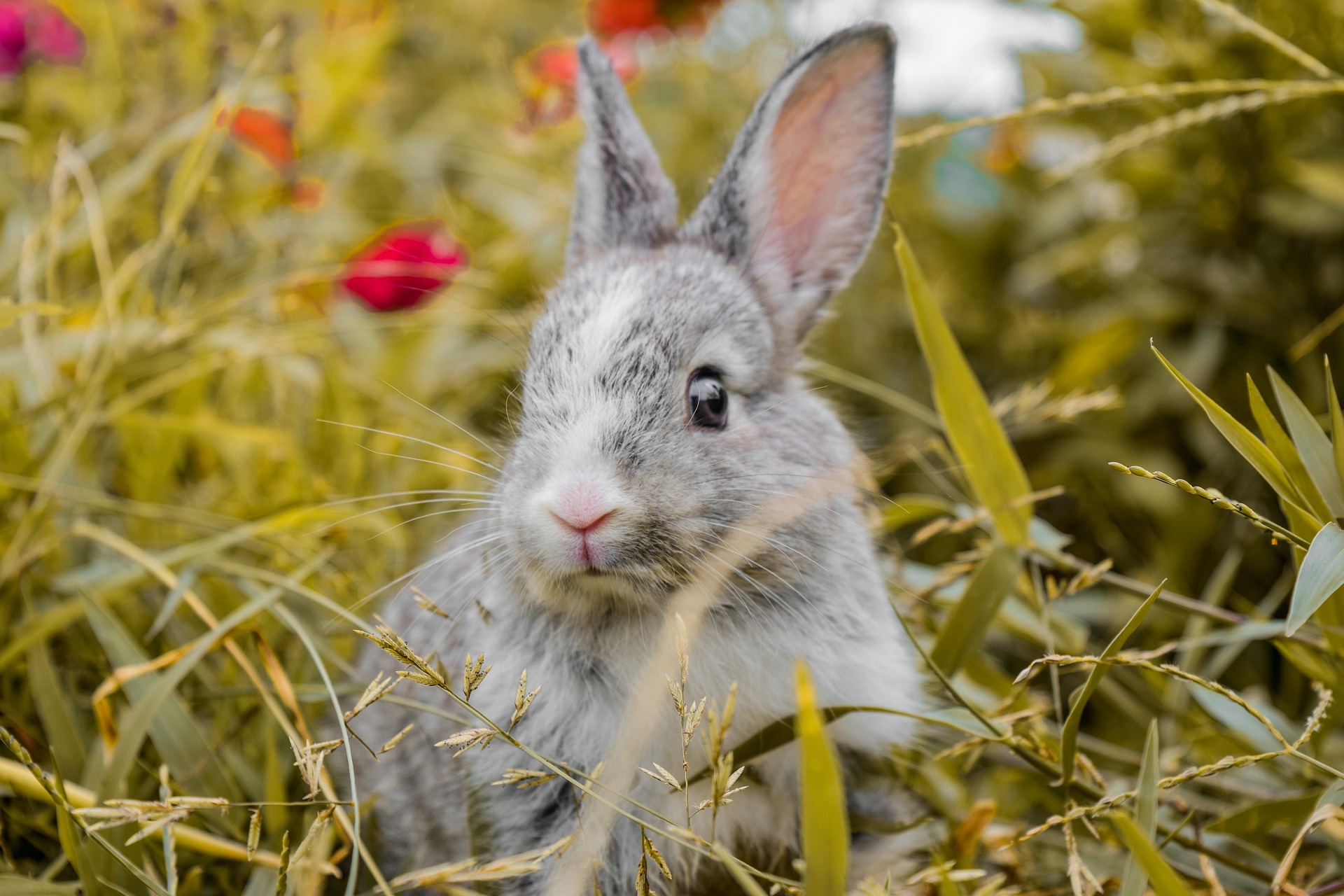
Raising rabbits can be a rewarding homesteading endeavor, providing both meat and fur. This comprehensive guide covers essential breeding and butchering techniques for successful rabbit farming.
Breeding Techniques
Selection of Breeds
Choose suitable breeds that match your farming goals. Common breeds include New Zealand White, Californian, and Flemish Giant for meat production, while English Angora, Satin, and Jersey Wooly are popular for fur.
Housing Requirements
Provide adequate housing with enough space for the rabbits to move comfortably. Hutches should have wire floors covered with bedding material like straw or wood shavings, and be equipped with nest boxes, feeders, and water bottles.
Breeding Cycle
Female rabbits (does) can reproduce every 4-6 months, depending on the breed. Does should ideally weigh at least 4 lbs before breeding. Males (bucks) are generally bred with multiple does to increase chances of successful reproduction.
Mating and Gestation Period
Breed does with bucks for about 12-24 hours, during which the doe will show signs of heat (receptivity) such as twitching, mounting other rabbits, or making mating noises. After mating, does typically have a gestation period of approximately 30 days.
Caring for Kits
Kits are born blind, deaf, and toothless, and require care from the breeder. Provide warm bedding and keep the hutch clean to prevent diseases. Kits should be weaned at 4-6 weeks of age and separated from their mother to prevent competition for resources.
Butchering Techniques
Slaughtering
Before slaughter, ensure the rabbit is healthy and of appropriate weight (usually 8-10 lbs for a mature rabbit). Stun the rabbit by hitting it on the back of its head with a heavy object or using carbon dioxide asphyxiation. After confirmation of death, make a cut across the neck to bleed out the animal.
Skinned and Dressed
Skinning and dressing involves removing the fur, internal organs, and head. Begin by making an incision around the hind legs, then peel back the skin on one side, and continue to remove the hide until the entire carcass is exposed.
Cutting and Processing
Divide the carcass into various cuts such as loin, saddle, and legs. Remove any remaining organs and clean the meat thoroughly. At this point, the rabbit meat can be cooked fresh or frozen for later consumption.
Mastering these breeding and butchering techniques will enable you to sustainably produce high-quality meat and fur from your rabbit homestead. Always prioritize humane treatment of your animals and adhere to local laws and regulations regarding livestock farming and slaughtering practices.