
Introduction
Encountering dangerous animals or hostile individuals can be a potential risk when venturing into the wilderness. Being prepared and knowing how to defend yourself effectively can significantly increase your chances of survival in these situations. This article will discuss essential techniques for self-defense, the gear needed to protect yourself, and precautions to take when navigating the outdoors.
Self-Defense Techniques
Avoiding Conflict
This may seem obvious, but avoiding conflict is often the best approach when dealing with dangerous animals or threatening individuals. Maintaining a calm demeanor and giving the other party space can help diffuse potentially harmful situations. If an animal displays aggressive behavior, do not run as this may trigger a chase response. Instead, slowly back away while facing the animal to maintain eye contact.
Personal Protection Items
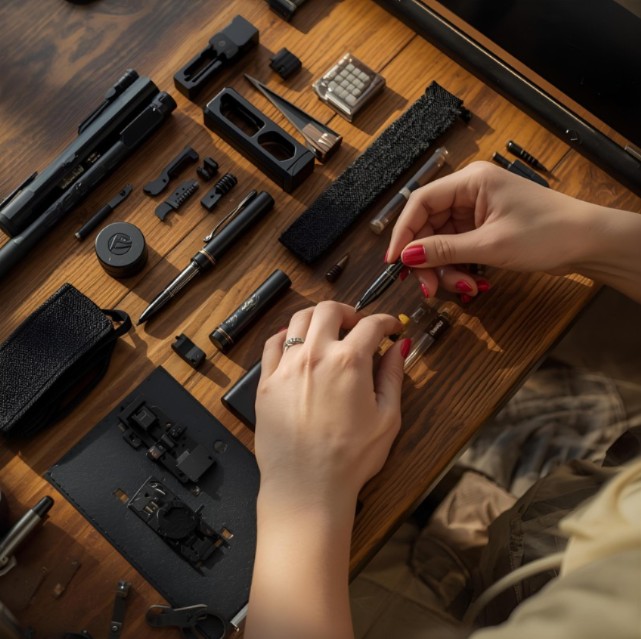
Carrying personal protection items such as pepper spray, bear spray, or a tactical pen can help deter animals or provide a means of self-defense against people. It is essential to understand how to use these devices effectively and follow local regulations regarding their possession and use.
Martial Arts and Training
Learning martial arts or self-defense techniques can be beneficial for protecting yourself in the wilderness. Familiarize yourself with basic strikes, grappling, and ground fighting to improve your ability to defend against attackers. Practice regularly to ensure you are proficient in these skills.
Firearms and Hunting Equipment
In some regions, carrying a firearm may be necessary for self-defense against dangerous animals or potentially hostile individuals. Be aware of local laws regarding the possession and use of firearms and receive proper training before relying on them for protection. Additionally, hunting equipment like knives,
traps, or snares can provide means of self-defense against predators.
Gear Needed for Self-Defense
Personal Protection Items
As mentioned earlier, carrying personal protection items such as pepper spray, bear spray, or a tactical pen can help deter animals or provide a means of self-defense against people. Make sure these devices are readily accessible and easily deployable in emergency situations.
Firearms and Ammunition
If you choose to carry a firearm for self-defense, ensure that it is reliable, easy to use, and properly maintained. Bring sufficient ammunition for your needs and be aware of local regulations regarding the transportation, storage, and use of firearms in the wilderness.
Emergency Signaling Devices
Carrying emergency signaling devices such as a whistle or mirror can help attract attention if you find yourself in a dangerous situation. In some cases, these items may be crucial for summoning help from other campers, hikers, or rescuers.
Precautions to Take When Navigating the Outdoors
Research Local Regulations and Risks
Before embarking on a wilderness adventure, research local regulations regarding self-defense, firearms, and camping practices. Familiarize yourself with potential risks and hazards in the area you plan to visit, such as dangerous animals, unstable terrain, or inclement weather conditions.
Travel in Groups
Traveling in groups can provide an added layer of protection when navigating the wilderness. Being accompanied by others can help deter potential threats, while increasing your chances of survival if encountering dangerous situations.
Practice Good Campsite Etiquette
Maintaining good campsite etiquette can help reduce the risk of attracting dangerous animals or unwanted attention from people. Follow Leave No Trace principles and avoid leaving food or waste unattended to minimize potential conflicts.
Conclusion
Defending yourself in the wilderness requires knowledge, preparation, and the right gear. Understanding self-defense techniques, carrying personal protection items, and following proper precautions can significantly increase your chances of survival when encountering dangerous animals or hostile
individuals. Always remember to stay informed about local regulations, practice good outdoor etiquette, and be prepared for a variety of potential situations to ensure a safe and enjoyable wilderness adventure.