
In survival situations, knowing basic first aid skills can be the difference between life and death. Utilizing natural resources found in your surroundings can provide effective solutions for treating various injuries and ailments when modern medical supplies are unavailable. This article will explore essential first aid techniques using natural items to help you navigate emergencies with confidence.
Wounds and Injuries
Cleaning a Wound
In the event of a wound, it is crucial to clean and disinfect the area as soon as possible to prevent infection. If no antiseptic is available, water from a safe source (boiled or filtered) can be used along with clean cloths for cleaning.
Natural antiseptics such as mud, alcohol, or honey can also be used to help treat wounds and promote healing. Honey has natural antibacterial properties and can be applied directly to the wound. Mud acts as a thick layer that dries on the wound, absorbing impurities, while alcohol can be soaked onto a clean cloth and applied to the wound for disinfection.
- Use natural antiseptics (mud, alcohol, honey)
- Mud: Apply a thick layer of mud to the wound, let it dry, then gently remove and repeat as needed.
- Alcohol: Soak a clean cloth in rubbing alcohol and apply to the wound to disinfect.
- Honey: Cover the wound with honey, which has natural antibacterial properties.
- If no antiseptic is available, clean the wound using water from a safe source (boiled or filtered) and clean cloths.
Treating Minor Cuts and Scratches
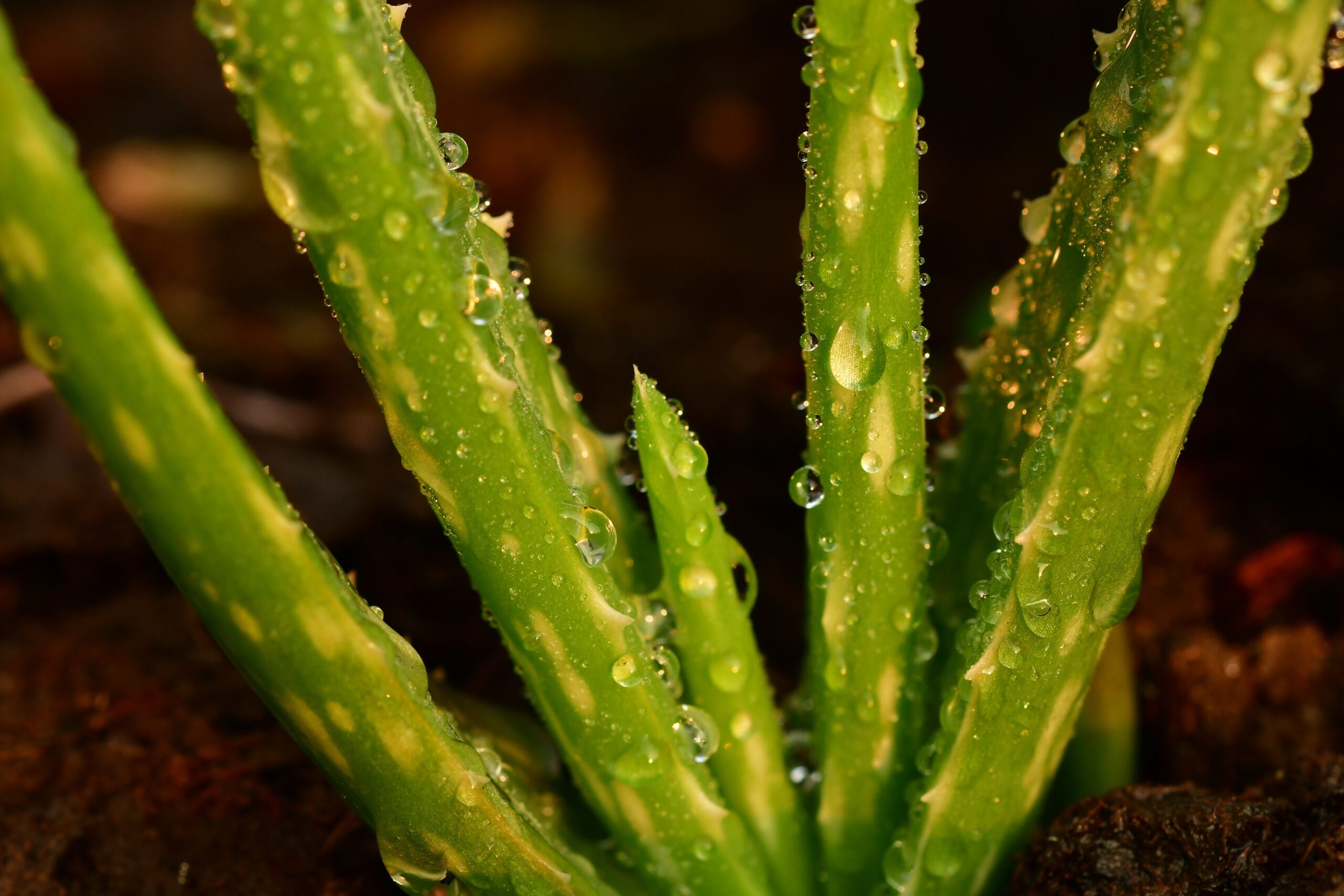
To treat minor cuts and scratches, natural healing agents such as plantain leaves, aloe vera, or yarrow can be used. Plantain leaves can be crushed and applied directly to the wound before securing a bandage. Aloe vera gel can also be scooped out from an aloe vera leaf and applied to the wound for its
soothing properties. Yarrow can be crushed into a paste and applied to the wounded area before bandaging. Once the wound is cleaned, it should be covered with a clean cloth or natural material like leaves to prevent contamination.
- Apply natural healing agents (plantain leaves, aloe vera, yarrow)
- Plantain leaves: Crush the leaf, apply to the wound, and cover with a bandage.
- Aloe vera: Cut open an aloe vera leaf, scoop out the gel, and apply directly to the wound.
- Yarrow: Crush yarrow flowers and stems into a paste, then apply to the wound and cover with a bandage.
- Use clean cloths or natural materials like leaves to dress and secure a bandage over the wounded area.
Preventing Infection
To prevent infection in wounds, natural antiseptics can be used to dress the wound before covering with a clean dressing. Honey, tea tree oil, or garlic are all effective antimicrobial substances that can help promote healing and prevent infection. It is important to keep the wound clean and covered to prevent
dirt, bacteria, or other harmful organisms from entering.
- Use natural antiseptics to dress wounds
- Apply honey, tea tree oil, or garlic to the wound before covering with a clean dressing.
- Avoid contamination
- Keep the wound clean and covered to prevent dirt, bacteria, or other harmful organisms from entering.
Bites and Stings
Treating Animal Bites
Animal bites can be dangerous and require immediate attention. To treat a bite, first clean the wound with water from a safe source, gently removing any debris. If bleeding is excessive, apply pressure to the wound using a clean cloth as a makeshift tourniquet. To prevent infection, tea tree oil, garlic paste, or other antiseptic substances can be applied to the bite.
- Clean the wound and applying a tourniquet (if necessary)
- Clean the wound with water from a safe source and gently rinse away any dirt or debris.
- If bleeding is excessive, apply pressure to the wound and use a clean cloth as a makeshift tourniquet.
- Use natural antibiotics (tea tree oil, garlic) to prevent infection
- Apply tea tree oil, garlic paste, or other antiseptic substances to the bite to promote healing and prevent infection.
Handling Insect Stings and Bites
In the case of insect stings or bites, it is essential to remove any stingers or venomous parts as quickly as possible. For bee stings, gently scrape the stinger out with a fingernail or blade. Poison ivy or other harmful plants should be washed thoroughly with water and soap to remove any residue. Natural
pain relievers can also be applied to the affected area for relief from itching and swelling. A cooling mud pack made by mixing dirt and water can help soothe the skin, while a baking soda paste can offer temporary relief from discomfort.
- Remove stingers or venomous parts
- For bee stings, gently scrape the stinger out with a fingernail or blade.
- For poison ivy or other harmful plants, wash the affected area thoroughly with water and soap to remove any residue.
- Apply natural pain relievers (mud packs, baking soda paste)
- Create a cooling mud pack by mixing dirt and water and applying it to the affected area.
- Mix baking soda with water to create a paste, then apply it to the sting or bite for relief from itching and swelling.
Burns and Frostbite
Treating Burns
Burn treatment focuses on cooling the affected area to prevent further damage. If water is scarce, cool mud or sand can be used instead. Aloe vera gel or a mixture of mud and water applied to the burn will help alleviate pain and inflammation.
- Cooling the burn with water (if available)
- If water is scarce, use cool mud or sand to gently soothe the burned area.
- Use natural cooling agents (aloe vera, mud)
- Apply aloe vera gel or a mixture of mud and water to the affected area for relief from pain and inflammation.
Preventing and Treating Frostbite
Frostbite occurs when the skin freezes due to exposure to cold temperatures. Recognizing the signs of frostbite, such as numbness, cold skin, or loss of feeling in affected areas, is essential for proper treatment. If possible, immerse the affected body part in warm water for a few minutes, being careful not
to burn the skin. Warming the area with heated rocks wrapped in cloth can also provide relief from pain and frostbite symptoms. It is important to avoid rubbing or massaging the affected area, as this can cause further damage.
- Recognize the signs of frostbite
- Look for numbness, cold skin, and loss of feeling in affected areas.
- Use natural heat sources to warm affected areas (fire, heated rocks)
- If a fire is available, hold affected body parts over the flames with caution.
- Wrap warm rocks or other heat sources in cloth and place them on frostbitten areas for relief from pain and frostbite symptoms.
Hydration and Nutrition
Purifying Water for Drinking
In a survival situation, it is crucial to find safe water sources. If clean water is not available, purification methods such as boiling, filtering, or using chlorine tablets can be used to make water safe for consumption. Boil the water for at least one minute to kill bacteria and viruses. If no other means are available, filter the water through layers of charcoal, sand, or clay to remove impurities and particles.
- Boil water
- Bring water to a rolling boil for at least one minute to kill bacteria and viruses.
- Use natural filters (charcoal, sand, clay)
- Filter water through layers of charcoal, sand, or clay to remove impurities and particles.
Finding Food in the Wilderness
Finding food in the wilderness can be essential for survival. Learn which plants are safe to eat by studying local flora and consulting field guides. Be cautious when consuming unfamiliar plants as some may be poisonous. Catching small game or fish can also provide a source of protein. Set traps, snares, or use primitive fishing techniques to catch food in the wilderness.
- Identify edible plants and fruits
- Learn which plants are safe to eat by studying local flora and consulting field guides.
- Catch small game or fish
- Set traps, snares, or use primitive fishing techniques to catch food in the wilderness.